
designing therapeutic tools for dementia care that treat the person as an adult — not a child. puzzles, materials, and a family tree that helped someone recognise her own family.
try it
fewer pieces. a real image. a satisfying click.
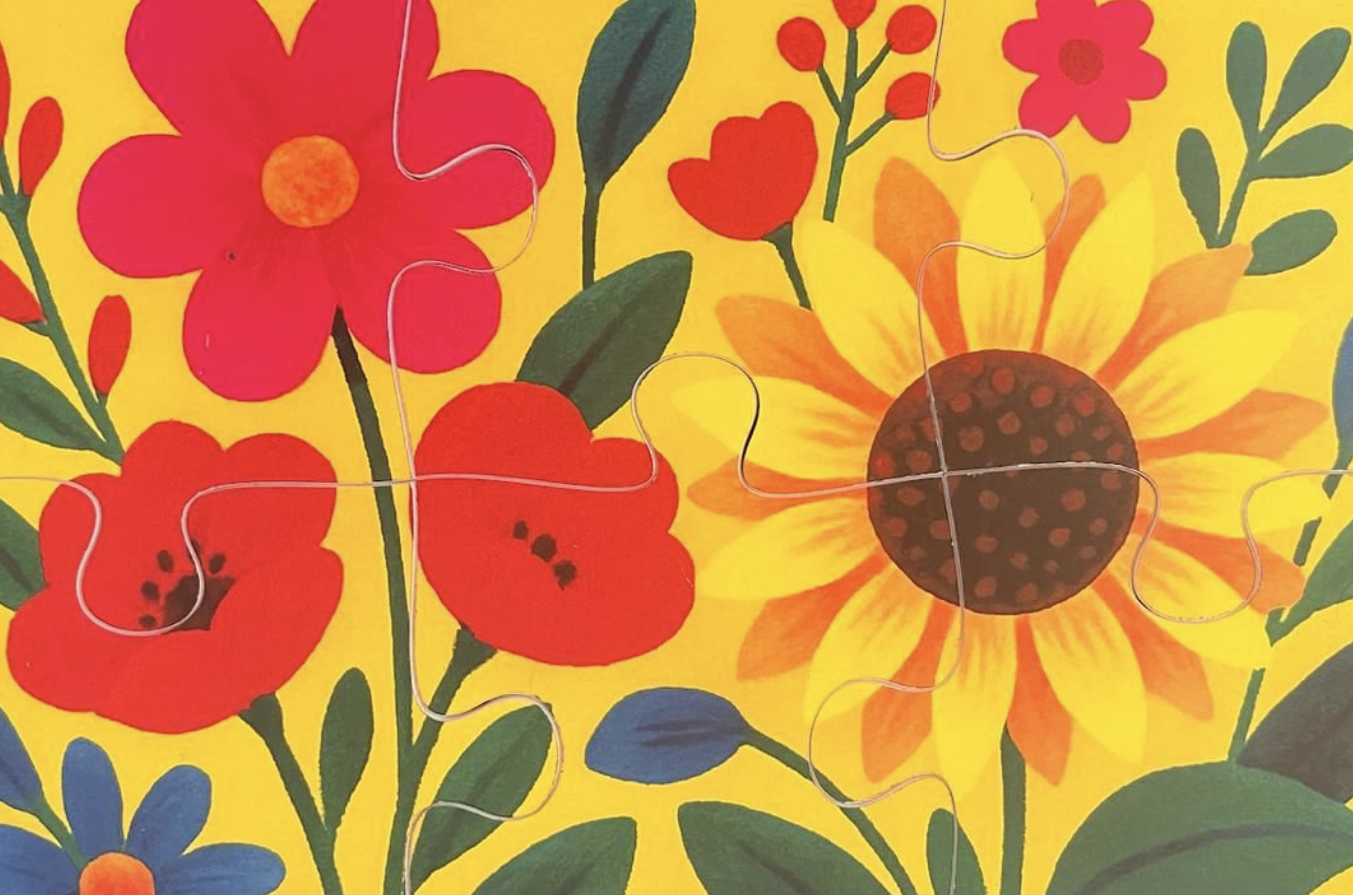
assemble the flower puzzle — the same principles i designed for: large, dignified pieces, a calm picture, and the click patients loved.
the problem
the market treated adults with dementia like children.
My first task was to redesign packaging and products — like puzzles — for people with dementia. Almost everything on the market was kid-oriented, down to the cartoon images on the pieces.
But the person living with dementia is still an adult. Behind the products was a deeper failure: family disconnection, a lack of understanding and empathy, a system that didn't really see the patient. The design problem was really a dignity problem.
what i designed
puzzles made to spark memory, not pass time.
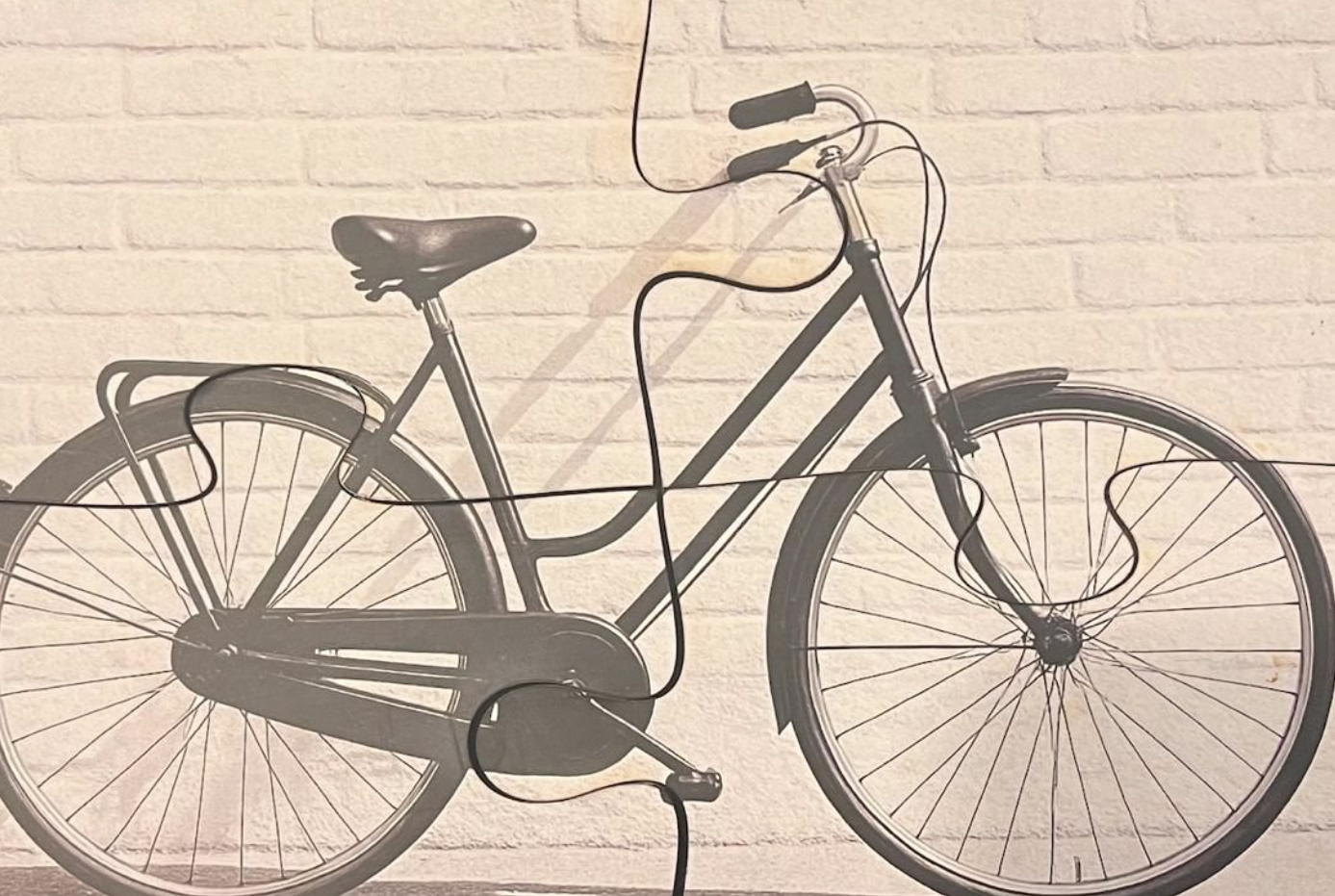
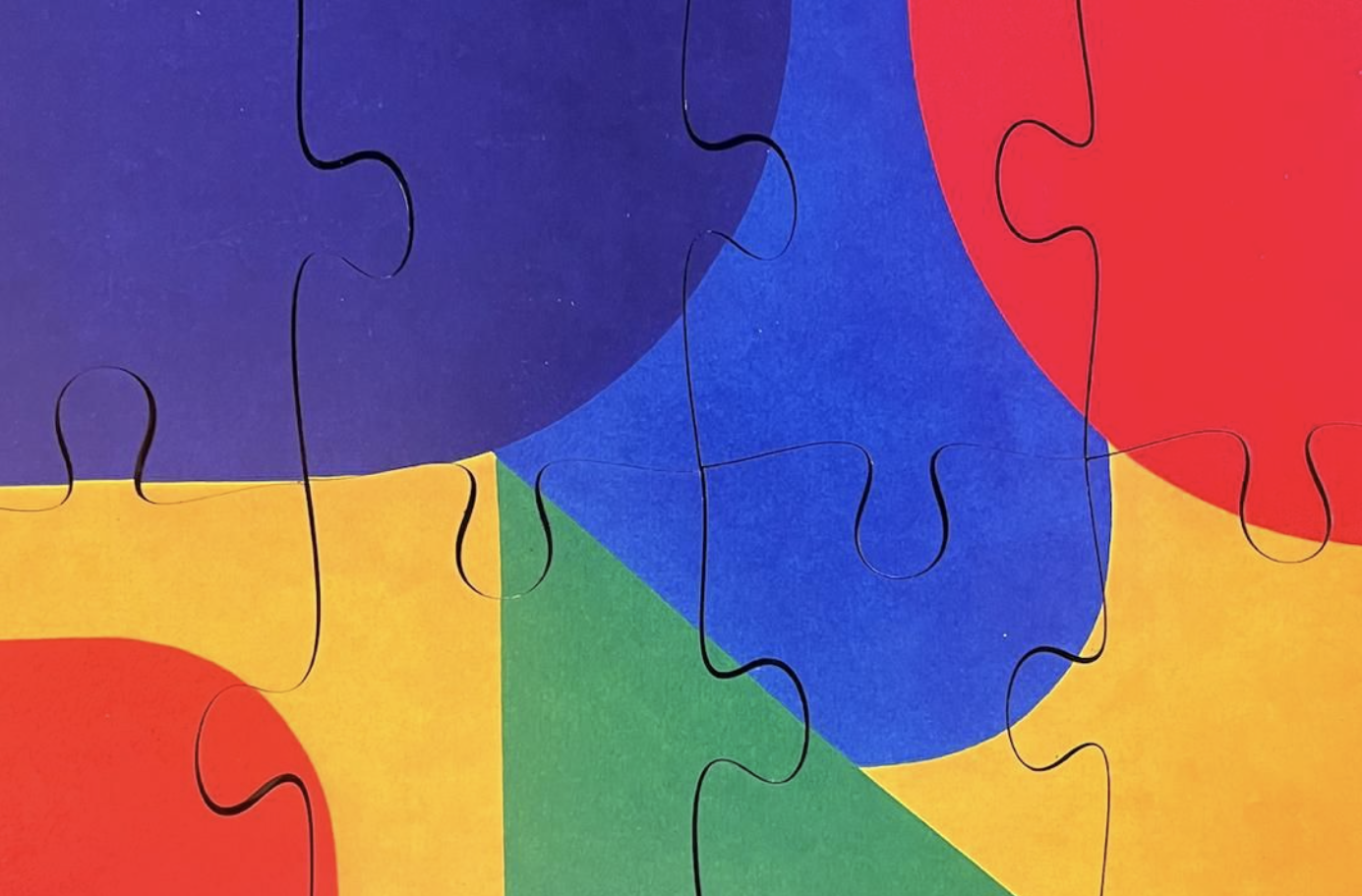
I designed a line of therapeutic puzzles with grown-up imagery. A calm flower set to encourage happiness. A vintage bicycle — chosen deliberately, because I thought it could spark memory and conversation. And an abstract set built around colour and shape for later-stage engagement.
I worked across materials and found something small but powerful: patients really loved the click of a piece dropping into place. So I capitalised on it — designing the pieces and the click-placement around that moment of satisfaction.
The work travelled, too: a 3D-printed transparent variant grew out of feedback from Instituto Não Me Esqueças in Brazil, and caregivers' notes reshaped the piece count and the placement mechanics.
the family tree
the moment that made all of it worth it.
Beyond the puzzles, I prototyped a tactile family tree — a paper demo customised to one patient, with velcro family members you stick onto the branches, so the act of remembering becomes something you do with your hands.
When we tested it, the patient recognised her family members and placed each one. Watching something that simple go that far was the most rewarding moment of the whole internship.
"she recognised her family, and placed each one. something that simple, going that far."
— the family-tree test
outcome + what i learned
Lighthouse Health Solutions shared the work publicly and invited people to request samples. As their first intern, I helped shape how the team approached design for dementia — starting from empathy and dignity.
"i learned the art of iteration — not to be let down by something that doesn't work, but to just try again."